Natural Handmade Soap
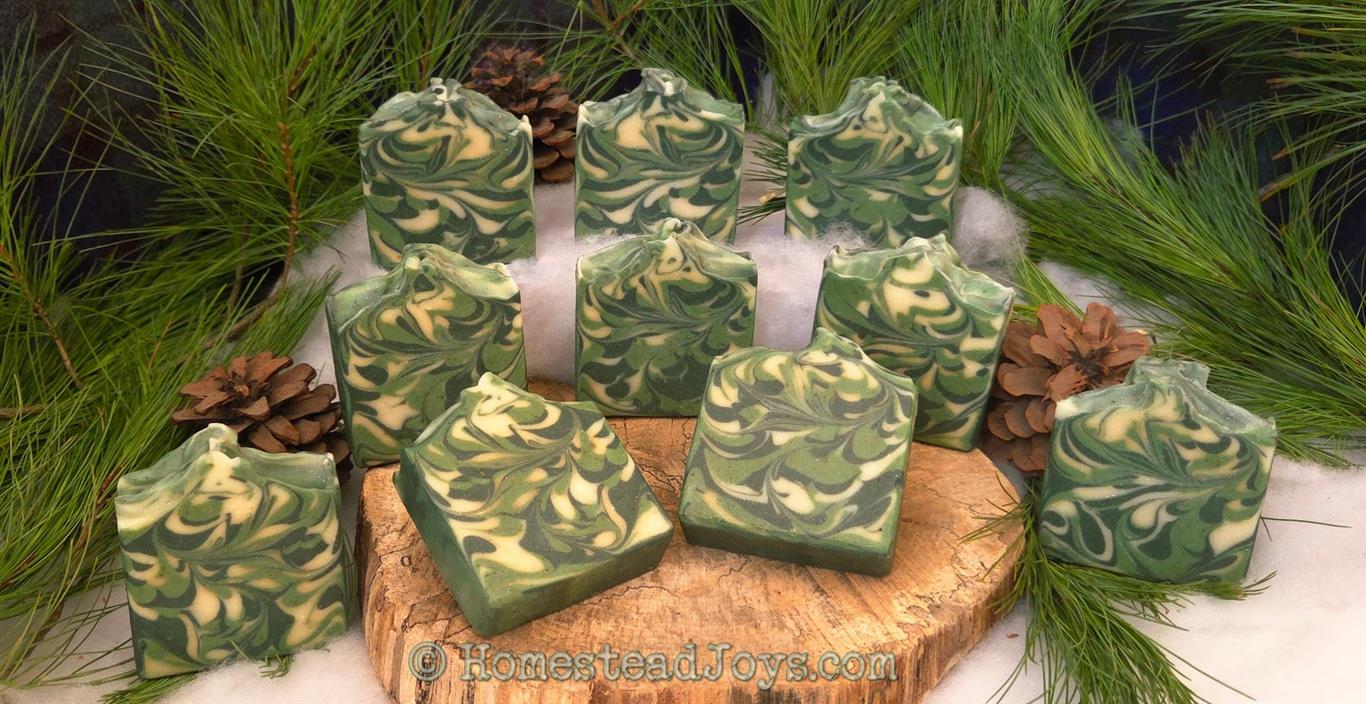
It's amazing how a simple bar of well-crafted Handmade Soap can transform the mundane task of daily cleansing into a self-care experience of nourishing, nature-infused luxury. Rooted in earth's bounty, its moisturizing, softly scented, luscious lather lends tangible opulence to your daily skin care.
What is Natural Handmade Soap?
Natural handmade soap is a time-honored cleansing product. It's real soap, usually created in small batches by soapmakers using the natural process of saponification, utilized in "cold process" soap making. This traditional process occurs when natural fats and oils are combined with a strong alkaline base. This powerful alkali, known as lye, is necessary to break down the oils and fats.
Through saponification, the lye completely depletes itself as it transforms the oils and fats into a completely different substance. Within 24 to 48 hours, there is no longer lye or fats and oils left. It has become beautiful soap.
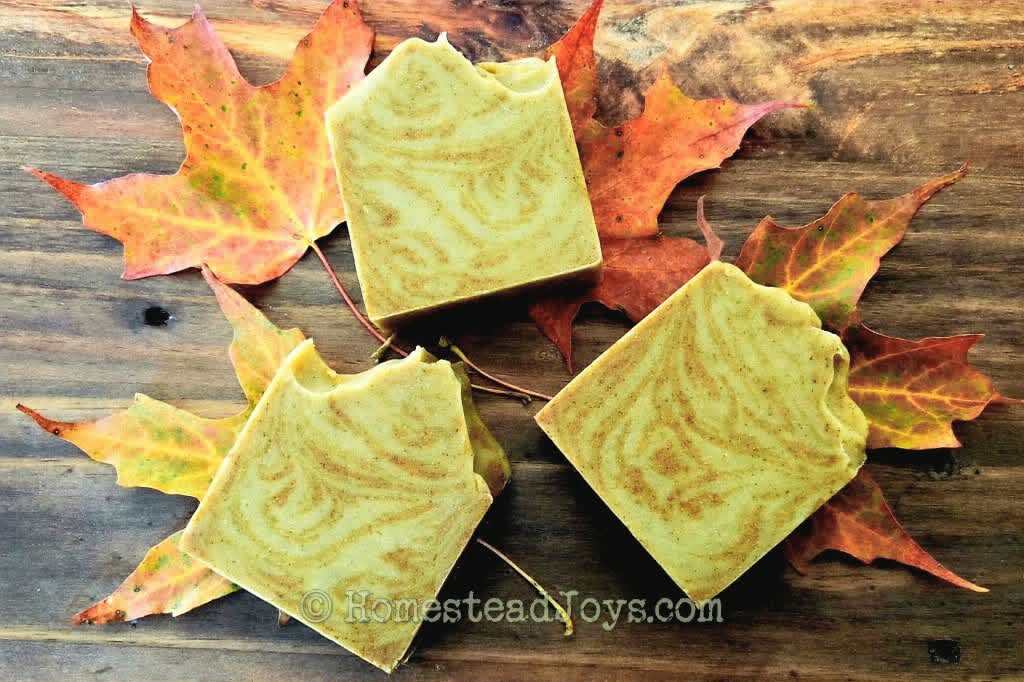
To increase the qualities of basic handmade soap, natural ingredients can be added to enhance its properties by providing benefits for the skin (moisture, exfoliation, healing), improving texture, lather, or cleansing power, and boost therapeutic value.
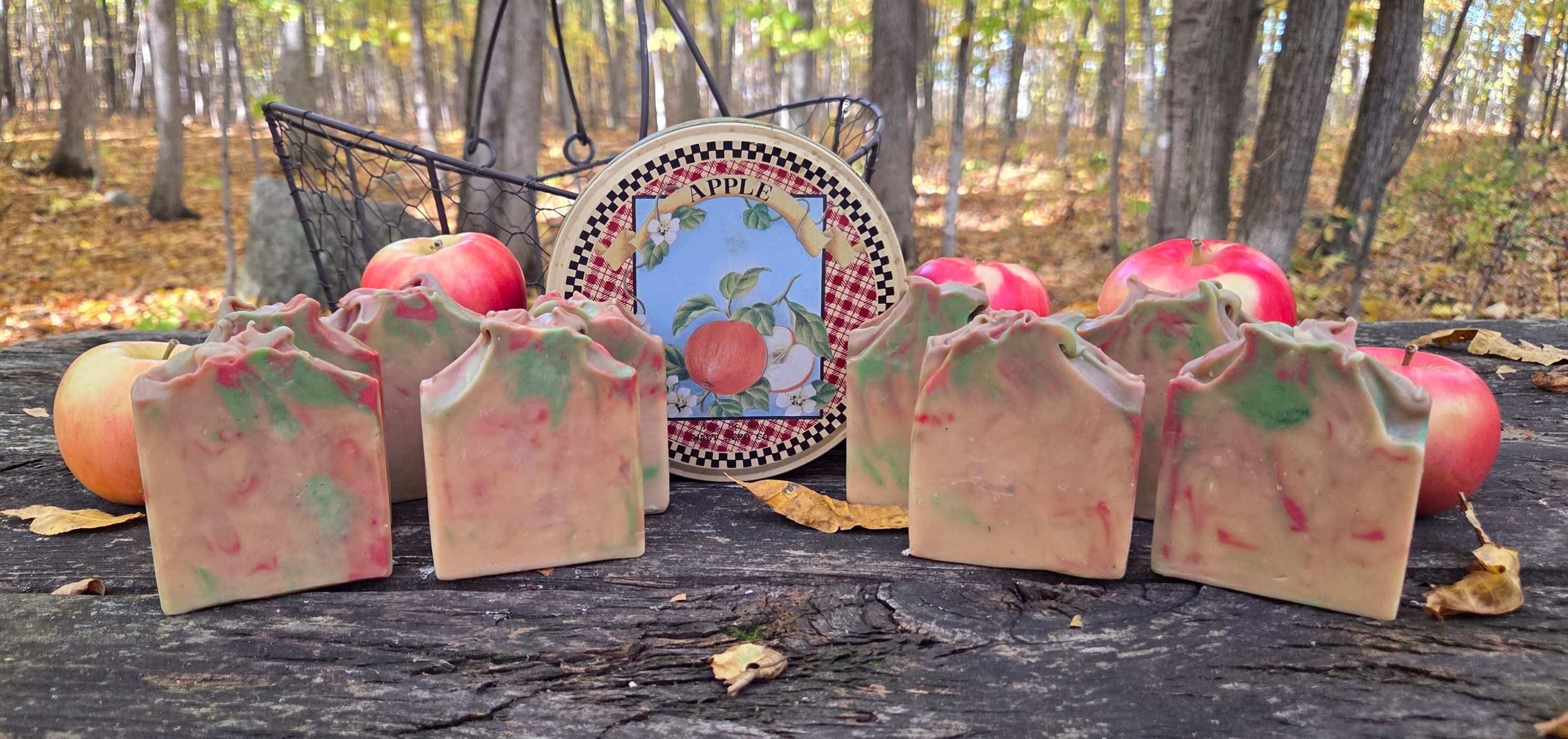
We often infuse soothing, natural ingredients, such as medicinal herbs, flowers, or even leaves of trees for their healing properties. Other natural substances, like Real Maple Syrup in the soap bars shown here, increase a luscious, bubbly lather...
In contrast, commercial "beauty bars" are not real soap, but rather synthetic detergent bars or "syndets". These detergent bars, designed for production speed, shelf life, and low cost, often can leave skin feeling dry or tight.
People who avoid synthetic chemicals, detergents, strong fragrances, or artificial ingredients, value the pure, wholesomeness of real soap that retains all of its natural, moisturizing glycerin. They prefer nature-based products that are valued for quality and craftsmanship beyond mere utility of the commercially made skin cleaners.
What Goes Into the Creation of Quality Handcrafted Soap?
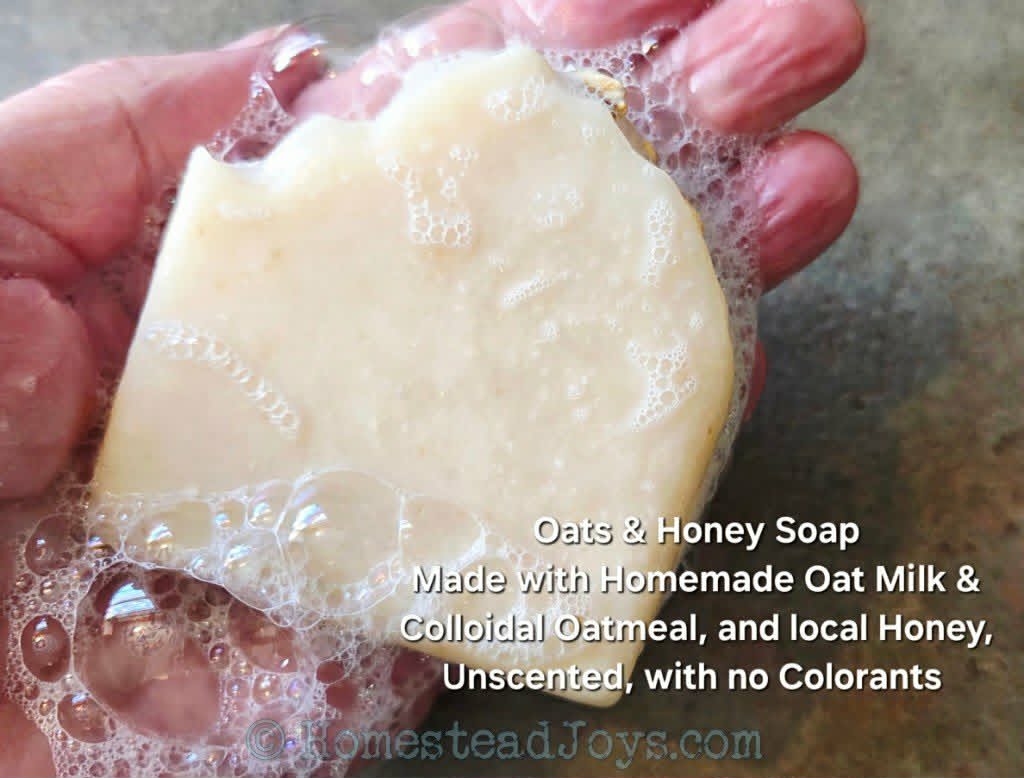
Soap making is a rewarding traditional skill that blends science, creativity, and careful technique. High-quality cold process soap requires careful formulation, precision, patience, and an understanding of the specific ingredients used.
From developing a well-balanced recipe, to managing the soap through saponification, curing, and testing, each step demands intention and careful attention to detail.
In the end, every handcrafted bar of soap reflects the knowledge, craftsmanship, and care of its maker. Without this dedication, it's possible for handmade soap to be as drying and harsh as many commercial soaps.
Having touched briefly on the foundational elements of creating quality handcrafted bar soap, some may be asking: What is soap made of?
What Is Soap Made Of?
The Three Primary Ingredients for Making Soap
Genuine, old-fashioned soap is made of the same traditional ingredients that has been used for thousands of years. Nowadays we refer to it as cold process soap making.
Basic handcrafted soap fundamentally requires three main components:
- Oils and Fats: which are natural organic compounds
- Water, or other liquid like milk, coffee, juice, herbal water infusions, etc.
- Lye which is a strong alkali base - usually sodium hydroxide or potassium hydroxide.
Additives That Enhance Handmade Soaps
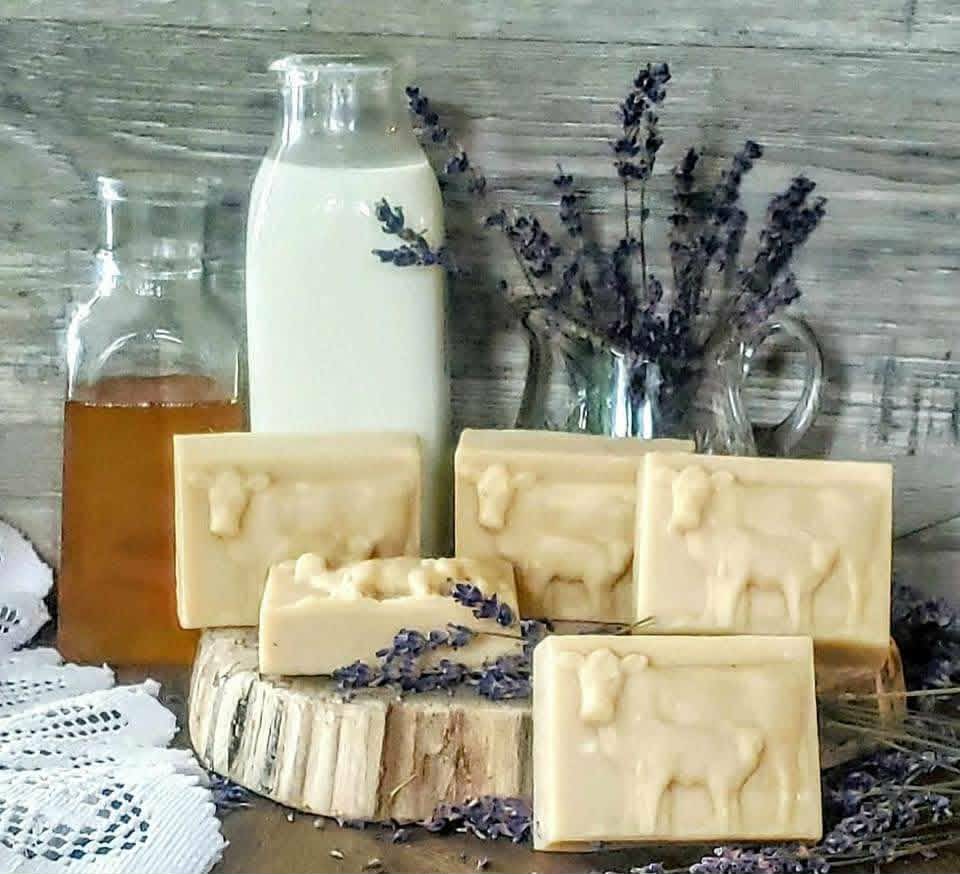
Additives that can be used in handmade soap are nearly limitless. They offer generous opportunities for customization and creativity. They enhance the look, feel, and skin benefits. Additives can cater to specific skin needs, add color or scent, enhance lather, exfoliate, deep clean, or moisturize.
Here on our homestead, soapmaking often begins with foraging for specific herbs, leaves, or flowers so that we can infuse their beneficial properties into the oils for the soap.
It may involve preparing fresh raw milk from our cow, or obtaining local raw honey to make our wonderfully moisturizing Milk & Honey Soaps. Or making homemade oat milk for our soothing Oats & Honey Soap...
Each additive is chosen with care and purpose to achieve an optimal cleansing experience. See Natural Soap Additives for more ideas.
Why Does Natural Soap Cost More?
Handmade soap is typically more expensive than most store-bought soaps because, instead of chemicals, detergents and cleansers, soap makers use organic or high-quality ingredients which are more expensive.
Careful attention is to craftsmanship. Creating handmade soaps is time and labor intensive, with a slow curing process taking several weeks, resulting in a product designed to care for your skin. Made in small batches with premium components and various natural additives that ensure skin-nourishing benefits, handmade soap offers so much more than industrial synthetics and efficiency.
You can't compare store-bought synthetic detergent cleaning bars with pure, healthy, natural soap, made with natural ingredients, intention, and care. They are very different products.
How to Store Homemade Soap
The best way to store handmade soap bars long term is to keep them in a cool, dry place, out of direct sunlight, with good airflow. This helps to maintain its hardness and the soap's natural scent. It can be kept in a cupboard, a cardboard box, or basket. It's best to avoid sealed plastic or humid spots.

A Brief History of Soap Making
Who Made the First Soap?
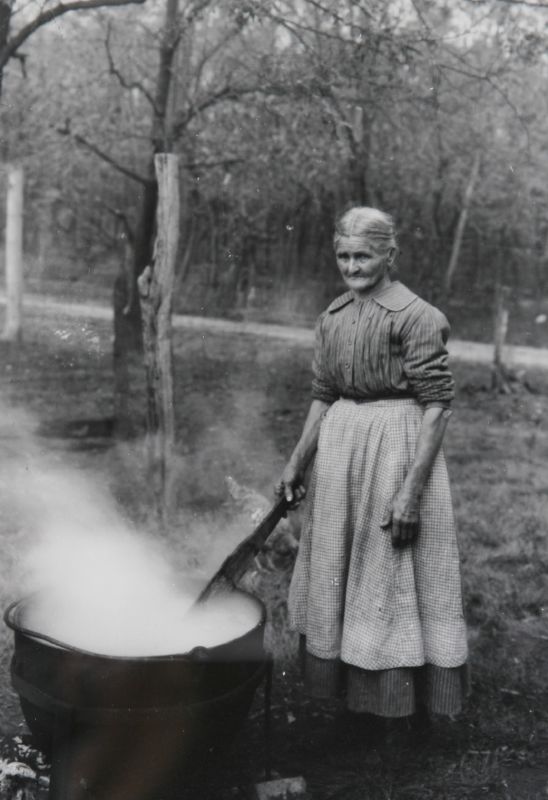
Handmade soap is one of the most ancient products you use. Who made the first soap? Hints have been left down the ages, but no one really knows exactly when or how it was discovered...
However, we can image that soap likely originated as a by-product of an ancient cooking fire over which a large chunk of meat was roasting. Most probably, globs of fat dripping into ashes, resulting in a chemical reaction that created a slippery substance which turned out to be great at lifting dirt off skin, and allowing it to be washed away.
Various written recipes for soap date back nearly 5,000 years, originating from Mesopotamia, Egypt, ancient Greece, and Rome. As the process was refined over the centuries, written recipes for soap making began to appear, with variations reflecting the different people groups.
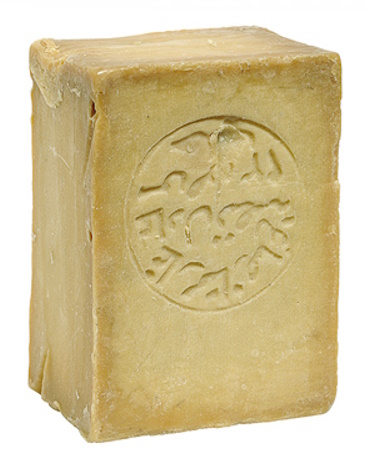
The text from one alchemist’s manual published sometime between the eighth and 10th centuries reads as follows: “Spread well burnt ashes from good logs over woven wickerwork. ...Gently pour hot water on them so it goes through drop by drop… After it is clarified well, let it cook... Add enough oil and stir very well.” Mappae Clavicula, ca. 1130 AD.
The "wickerwork" filtered the water through the ashes, creating a crude lye solution. This liquid, collected in a pot underneath, was the "first lye of the soapmaker". The recipe continues by instructing the user to strain the lye multiple times to strengthen it, then boil it with olive oil or animal fat (tallow) to create soap through a process called saponification.
Water, lye, and fats remain the three basic ingredients for making soap to this day.
Frequently Asked Questions About Natural Handmade Soap
Is handmade soap better for your skin?
Is handmade soap better for your skin?
Yes. Natural handmade soap is gentler and nourishing for the skin than commercial cleansing bars. It retains its natural glycerin and uses nourishing oils and helpful natural additives instead of harsh detergents. Many people find it especially beneficial for dry, sensitive, or easily irritated skin.
Why does handmade soap feel more moisturizing?
Why does handmade soap feel more moisturizing?
During traditional cold process soapmaking, glycerin is naturally created and left in the soap. Glycerin helps draw moisture to the skin, creating a creamy, soothing lather that cleans without stripping.
Is natural handmade soap good for sensitive or eczema-prone skin?
Is natural handmade soap good for sensitive or eczema-prone skin?
Many people with sensitive or eczema-prone skin prefer handmade soap because it avoids synthetic detergents, artificial fragrances, and harsh, unhealthy additives. Gentle formulations made with nourishing oils and simple ingredients are often well tolerated.
How long does handmade soap last?
How long does handmade soap last?
A well-cured handmade soap bar is long-lasting when kept dry between uses. Using a draining soap dish will help your bar last even longer.
Exactly what is Lye? I've heard that is lye dangerous. Is soap made with lye bad for my skin?
Exactly what is Lye? I've heard that is lye dangerous. Is soap made with lye bad for my skin?
What is lye? Lye is a strong alkaline solution of hydroxides (pH around14), most commonly sodium hydroxide (NaOH) or potassium hydroxide (KOH). Traditionally, lye was made by leaching wood ashes in water, creating an alkaline liquid rich in potassium carbonate or potash.
Though lye requires careful handling and proper protective gear, this powerful, natural alkali is essential for transforming oils and fats into true soap. Once the lye is carefully blended with the oils, an amazing transformation happens over the next 24 to 48 hours through the natural chemical process of saponification. During this time, the lye and oils no longer exist as they once did. Together, they are fully transformed into a nourishing, beautifully soap that is gentle and safe for everyday use on your skin.
Can I make soap without lye?
Can I make soap without lye?
No, you can't make true handmade soap without lye (sodium hydroxide or potassium hydroxide) because saponification requires both lye and fats.
However, you can make soap by using a pre-made "melt and pour" base, which has already undergone saponification and lets you avoid handling raw lye by just melting, adding colors/scents, and molding it.
Is handmade soap eco-friendly?
Is handmade soap eco-friendly?
Yes, it is! Natural handmade soap is biodegradable, plastic-free, and zero-waste. Choosing handmade soap helps reduce packaging waste and supports small artisans rather than mass manufacturing.
Handmade Soap is a Homestead Joy Worth Sharing
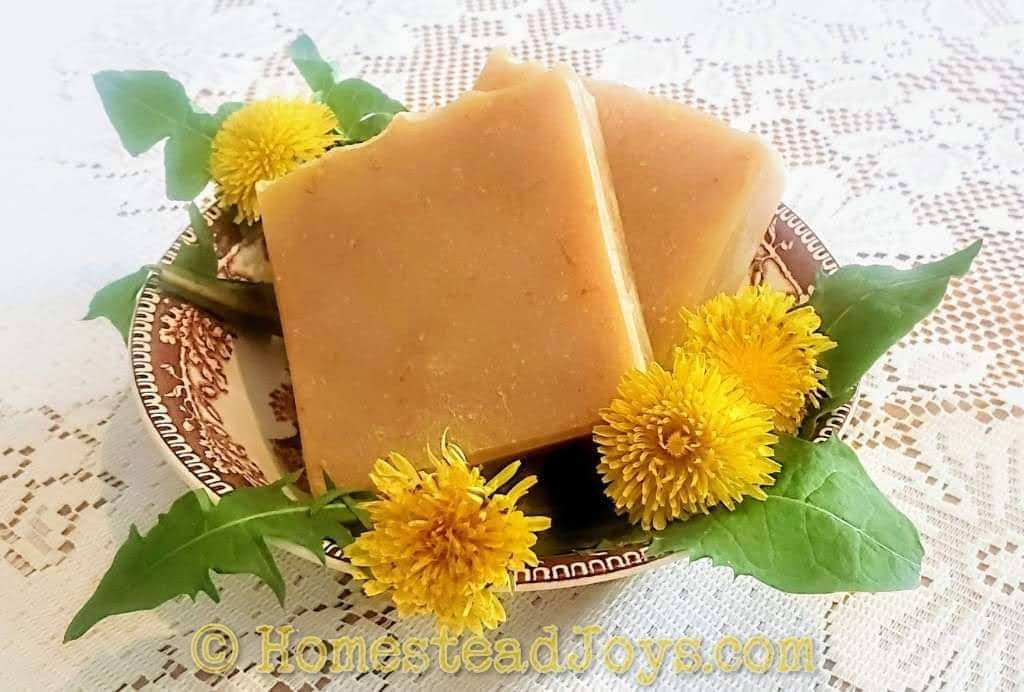
Caring for your skin doesn’t have to be complicated. Choosing natural handmade soap is a simple, thoughtful way to nourish your body, reduce waste, and bring a little homestead comfort into your everyday routine.
Handmade soap is meant to be used, enjoyed, and shared. It’s a small but meaningful way to care well for your body—using something simple, honest, and made with intention.
If you’ve never tried handmade soap before, we invite you to experience the difference for yourself: soft skin, creamy lather, and ingredients you can truly feel good about. These lovely natural soaps also make thoughtful gifts for those you care about.
Pure, luxurious, nourishing to our skin, and rooted in nature's goodness... That’s the heart of natural handmade soap.

Homestead Joys
Menu

Check out our new pages!
For topics that you may find interesting...
Click on the photos below!



Translate this page!
Traduire cette page!
¡traduzca esta pagina!





.)


Piping Rock©
Bringing you the highest quality in hundreds of health care and life-enhancing natural products at the
lowest cost to you!
High reviews, crazy deals,
happy, healthy customers!
Click here and save today!

Business appreciation
* this website is not affiliated with
Piping rock
Supporting our local feed mills
Meunerie Alexandria Milling
Great Products • Great Prices
Great Service

Click the pic for their
Facebook page!
Meunerie Alexandria Milling
Established in 1962 by the Massie Family
Email: alexandriamilling@hotmail.Ca
475 Massie Crescent
Alexandria, Ontario, Canada
~~~
Small business appreciation
* this website is not affiliated with
Meunerie Alexandria Milling